Civitavecchia cruise port to Rome: the complete one-day guide for 2025
Civitavecchia is Italy's busiest cruise port — and the one where the gap between what passengers are told and what actually works on the ground is largest. The standard cruise line shore excursion to Rome costs €80-120 per person, runs on a rigid schedule, and delivers a rushed version of the Colosseum that could be done better, faster, and for €25 total by anyone willing to read this guide before disembarking. Here is everything you need to make a Civitavecchia to Rome day work on your own terms.
Train: the fastest and cheapest Civitavecchia to Rome connectionThe Civitavecchia to Rome train is the single best decision any cruise passenger can make: the regional train (Regionale Veloce) from Civitavecchia station to Roma Termini runs approximately every 30-45 minutes, takes 60-80 minutes, and costs €5.90 per person each way. The Civitavecchia railway station is a 10-15 minute walk from the cruise terminal exit (follow the waterfront north along the Viale della Vittoria) or a €5-8 taxi ride. Buy tickets at the station ticket machines (credit cards accepted; choose "Roma Termini" as destination; validate the paper ticket in the yellow machines on the platform before boarding). The first return train from Roma Termini back toward Civitavecchia runs late evening — check trenitalia.com for the last train, which is typically around 10:30-11:00pm. The most important practical rule: buy the return ticket at Civitavecchia before you leave for Rome, because the Termini ticket machines often have queues on summer afternoons that can cost you 20-30 minutes.
How long does it take to get from Civitavecchia to Rome?The honest Civitavecchia to Rome journey time depends entirely on the transport choice: the regional train from Civitavecchia station to Roma Termini takes 60-80 minutes; the Intercity train (more expensive, ~€12-15) takes 45-55 minutes; the shuttle bus offered by independent operators at the port takes 70-90 minutes due to traffic on the A12 motorway; and the private taxi costs €100-130 for the 80km journey but takes roughly 75-90 minutes in normal traffic. The cruise line's own motor coach "transfers" often take 90-120 minutes because they wait for the full bus to fill before departing. The train wins on every metric: fastest, cheapest, most frequent, and most reliable. The one genuine advantage of private transport: if your ship docks at the far end of the cruise terminal (the "Molo Vespucci" dock rather than the "Molo Martini" dock), the walk to the station is 25-35 minutes, making a taxi to the station worthwhile at €8-10.
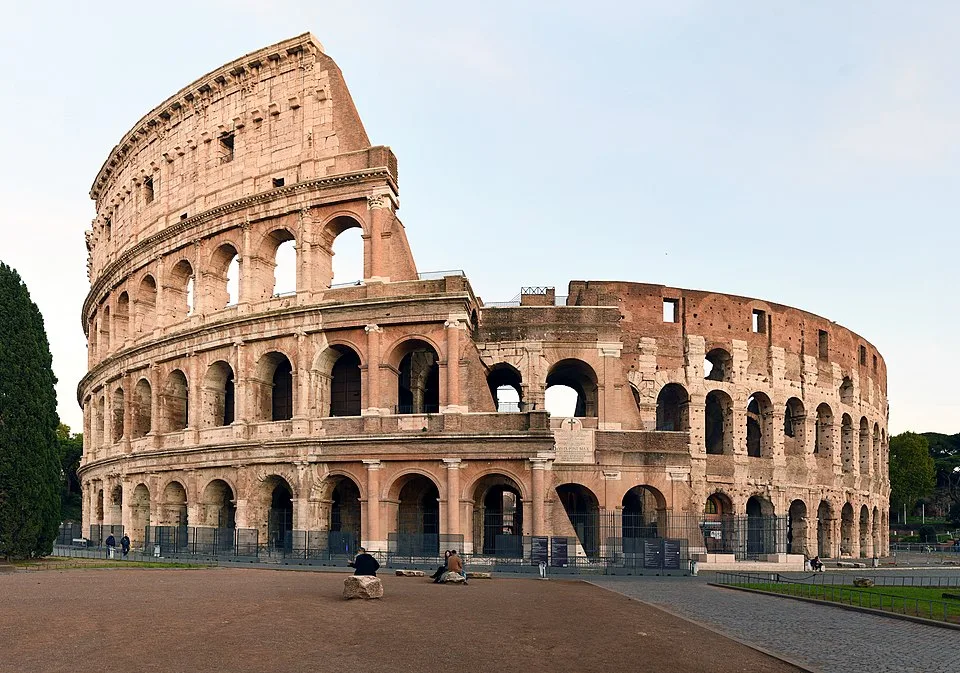
The one-day Rome itinerary from CivitavecchiaThe optimal Rome one-day itinerary for the Civitavecchia cruise passenger assumes arrival at Roma Termini by 9:30am and departure from Termini by 5:30pm — giving approximately 7.5 hours in Rome. The anchor decision: the Colosseum or the Vatican. Not both. This is the single most important itinerary truth the cruise ship will not tell you: trying to do both the Colosseum/Roman Forum and the Vatican in one day produces a rushed, exhausting, and ultimately unsatisfying version of both. Choose one and do it properly. Colosseum focus (the better choice for first-time Rome visitors): Metro Line B from Termini to Colosseo (2 stops, 4 minutes, €1.50); Colosseum + Roman Forum + Palatine Hill is a combined ticket (€18, book at coopculture.it at least 3-4 days ahead); lunch near the Testaccio market (the most genuinely Roman lunch neighborhood, 15 minutes by foot); afternoon at the Campo de' Fiori and the Piazza Navona, ending with an aperitivo on Via della Pace before the return train. Vatican focus: Metro Line A from Termini to Ottaviano (5 stops, 10 minutes); Vatican Museums + Sistine Chapel (€20, book at museivaticani.va; the queue without a pre-booked ticket is 2-3 hours and will destroy your day); St. Peter's Basilica (free, no booking required); the Castel Sant'Angelo from the exterior on the return walk.
What to avoid: the Civitavecchia cruise port tourist trapsThe specific Civitavecchia and Rome tourist traps that cost cruise passengers the most time and money: (1) The "private transfer" taxis directly at the port exit — the official port taxi rate to Rome city center is approximately €100-130, but the informal drivers approaching passengers immediately outside the terminal gate charge €150-200; the official white taxis with meters are found 200m further along the waterfront. (2) The "skip the line" tickets sold by vendors in the cruise terminal lobby — legitimate skip-the-line access for the Colosseum requires booking directly at coopculture.it or through one of the 8 certified tour operators listed on the official website; the vendors in the terminal are reselling at 30-50% markup. (3) The Rome hop-on hop-off bus — the 2-hour round trip of the hop-on bus from Termini consumes a significant portion of your 7.5 hours in Rome and visits fewer sites than the Metro + walking combination; the Metro is faster between every single Rome monument the bus visits. (4) Lunch at the restaurants immediately around the Colosseum or the Vatican — these are the most tourist-priced, lowest-quality restaurants in Rome; walking 10 minutes away from both monuments drops the price and increases the quality dramatically.
Luggage storage at Civitavecchia and Rome TerminiLuggage storage for cruise passengers (the practical question for the passenger who wants to explore Rome between the ship's early embarkation time and the room's readiness at 3pm, or who has a post-cruise day in Rome before a flight): the Civitavecchia cruise terminal has a left luggage service at the terminal building (€5-8 per bag per day, cash only, check with your specific terminal building as multiple operator facilities exist); the Roma Termini left luggage (the Kipoint storage facility in the Termini Station lower level, near Track 1 — €6 for the first 5 hours per bag, €1 per additional hour, open daily 6am-11pm, accepts all bag sizes): the most convenient Rome luggage storage for the day visitor arriving by train. The Termini storage allows you to leave your luggage immediately on arrival and collect it before your return train — enabling a full Rome day without dragging a suitcase through the Colosseum.
The Civitavecchia town itself: what to see if you stayCivitavecchia beyond the cruise port (the town that almost all cruise passengers bypass entirely): the Forte Michelangelo (the hexagonal fortress designed by Michelangelo in 1508 for Pope Julius II, built over the Roman-era hexagonal thermal bath structure — the most undervisited single Michelangelo architectural work in Italy; visible from the port; the exterior walk along the walls is free, the interior opens for periodic guided visits at €5-8). The Terme di Traiano (the Roman thermal bath complex at the Villa Traiana archaeological park, Viale Traiano — the most significant Roman archaeological site in the Civitavecchia municipality; free on Sundays). The Museo Nazionale Archeologico di Civitavecchia (Via Aurelia Nord 4 — the collection from the local Roman and Etruscan excavations; €4, closed Monday). The Civitavecchia waterfront (the Corso Centocelle and the Via IV Novembre — the local fishing harbor area with the genuine portside fish restaurants that serve the actual Civitavecchia daily catch at €15-25 per person for a full fish meal).
Shore excursions vs independent: the real cost comparisonThe Civitavecchia shore excursion cost comparison (2025 verified prices): the cruise line's Rome shore excursion (motor coach + guided Colosseum visit + Vatican drive-by): €85-120 per adult. The independent equivalent (train €5.90 each way + Colosseum combined ticket €18 + Metro €3 total + lunch €15-20): approximately €50 per person total — saving €35-70 per person versus the cruise shore excursion. For a couple: €70-140 saved. The specific circumstance where the cruise shore excursion is worth its premium: if you are genuinely not comfortable navigating a foreign city independently, if you have mobility limitations that make the walk to the train station problematic, or if you have children under 10 and need the logistical safety net of a guided group. For everyone else, the train-and-book-ahead-online combination delivers a better Rome day at significantly lower cost.
Civitavecchia to Rome by night: the late-return optionThe late evening return from Rome to Civitavecchia (the option for cruise passengers whose ship departs after midnight or who want to maximize Rome time): the last regional train from Roma Termini toward Civitavecchia departs approximately 10:15-10:45pm (verify at trenitalia.com for your specific date — the schedule varies slightly seasonally). The evening Rome program enabled by the late return: the Campo de' Fiori evening market (4-10pm, the most atmospheric Rome evening square); dinner in the Trastevere neighborhood (the most specifically Roman evening dining experience — book at one of the genuine Trastevere trattrorie such as Da Enzo al 29 or the Osteria der Belli — two weeks in advance for summer Saturday evenings); and the specifically Roman summer evening walk (the Ponte Sisto to the Piazza Farnese to the Via Giulia illuminated by street lighting — the most beautiful single evening Rome walk available). The post-dinner rush to Termini: allow 45 minutes minimum from Trastevere to Termini by tram or taxi for the last train.
How do I get from Civitavecchia cruise port to Rome?
The best way from Civitavecchia cruise port to Rome is by regional train: walk or take a €5-8 taxi to Civitavecchia railway station (10-15 min from terminal exit), buy a ticket to Roma Termini (€5.90, trains every 30-45 min), journey 60-80 min. Total cost each way: €5.90 per person. Buy the return ticket at Civitavecchia before leaving to avoid Termini queue. First trains run from ~5:30am; last return from Rome approximately 10:15-10:45pm. Avoid the informal "private transfer" taxi drivers at the port gate — use official white metered taxis 200m along the waterfront if you prefer taxi (official rate ~€100-130 to central Rome).
Is it worth going to Rome from Civitavecchia on a cruise stop?
Yes — a Civitavecchia to Rome day trip is absolutely worth doing independently. The train journey (60-80 min, €5.90 each way) gives you approximately 7-8 hours in Rome from a 9am arrival to a 5:30pm return departure. The key rule: choose either the Colosseum/Forum/Palatine (book at coopculture.it, €18 combined) OR the Vatican Museums/Sistine Chapel (book at museivaticani.va, €20) — not both. Trying to do both produces a rushed day that does neither justice. The train + pre-booked monuments approach costs approximately €50 per person total versus €85-120 for the cruise ship shore excursion.
Can I visit Rome independently from a cruise ship at Civitavecchia?
You can absolutely visit Rome independently from Civitavecchia — the regional train makes it straightforward. The critical steps: (1) book your Colosseum or Vatican tickets online before the trip, not at the gate; (2) buy train tickets at Civitavecchia station (including the return) before boarding; (3) know your ship's all-aboard time and build in a 90-minute buffer — if the last train back arrives at 8pm and your all-aboard is 9:30pm, you have reasonable safety margin. The cruise line's standard warning that "independent passengers who miss the ship departure are responsible for their own costs to rejoin" is real — but a 90-minute buffer on the last available train makes missing the ship essentially impossible.
What is there to do in Civitavecchia besides going to Rome?
Civitavecchia itself has the Forte Michelangelo (the 1508 hexagonal fortress designed for Pope Julius II — the most undervisited Michelangelo architectural work in Italy, visible from the port); the waterfront fish restaurants serving the genuine daily catch at €15-25 per person; and the Museo Nazionale Archeologico (€4). For a half-day alternative to Rome: the Etruscan necropolis of Tarquinia is 30km north (regional bus or taxi, the Museo Nazionale Tarquiniese has the finest painted Etruscan tomb reproductions in Italy at €12). The Cerveteri Etruscan necropolis (UNESCO World Heritage) is 30km south — accessible by regional bus from Civitavecchia in 40 minutes and is particularly rewarding before or after the Tarquinia visit.
How Trajan made Civitavecchia Rome's most important port — and why it replaced Ostia Antica entirely
The Roman port at Civitavecchia (Centumcellae — the Latin name meaning "hundred cells," referring to the Roman warehouse grid) was constructed between 107 and 115 AD under the Emperor Trajan, specifically to address the silting problem at the older Ostia Antica port that had been reducing Ostia's utility as the primary Rome grain supply terminal. The Trajanic harbor (the hexagonal inner basin visible in the aerial view of the modern port — the inner harbor geometry that Trajan's engineers designed is still the functional basis of the modern port layout) was the single most sophisticated harbor engineering project of the Roman empire: the hexagonal basin was designed to create specific water circulation patterns that prevented the sedimentation that had doomed Ostia; the breakwater orientation exploited the dominant northwesterly winds to maximize sailing entry conditions; and the warehousing capacity (the horrea — the grain storage facilities that Trajan's architects built along the inner harbor perimeter) was calculated to hold six months of grain supply for the city of Rome at peak imperial population. The port remained Centumcellae through late antiquity, was largely abandoned during the medieval period, and was re-established as a significant port in the 15th century under Pope Innocent VIII — who renamed it Civitas Vetula, the "old city," which became Civitavecchia in Italian usage.
Why Michelangelo's Civitavecchia fortress was never finished — and the specific papal politics that stopped it
The Forte Michelangelo commission (the 1508 contract between Pope Julius II and Michelangelo to design a new coastal fortress at Civitavecchia — the fortress that would protect the papal port from Ottoman naval raids that had become frequent in the western Mediterranean after the fall of Constantinople in 1453) was the most significant military architecture commission of the High Renaissance and the one that demonstrates most clearly the specific contradiction in Michelangelo's career between his own artistic ambitions and the papal demands. The commission: Julius II wanted a functional defensive fortification using the most advanced military engineering of the period (the "trace italienne" — the low-profile, angled bastion system developed specifically to counter artillery, replacing the high medieval walls that artillery had made obsolete). Michelangelo's design (the hexagonal plan, the bastions angled at 60 degrees to deflect cannonballs, the specific sally-port arrangement) was architecturally correct and militarily sophisticated. The interruption: Julius II died in 1513 before the construction was complete; his successor Leo X (Giovanni de' Medici) prioritized different building projects; and the fortress was completed in modified form over the next 50 years by different architects. The specific Michelangelo elements visible in the surviving structure are limited to the foundational layout and one bastion design — making the Forte Michelangelo the most specifically complicated attribution in Michelangelo's architectural legacy.
Related Rome and central Italy guides
Domande pratiche sull'Italia — risposte dirette da chi ci lavora
Cosa si intende per "città d'arte" in Italia? In Italia, "città d'arte" è un termine informale che indica le città il cui principale richiamo turistico è il patrimonio storico-artistico — Roma, Firenze, Venezia, Siena, Bologna, Ravenna, Lecce. Per i turisti: le città d'arte hanno una stagione turistica più distribuita durante l'anno rispetto alle città balneari concentrate in estate.
Come funziona la "notte bianca" in Italia? La Notte Bianca è un evento urbano in cui negozi, musei e locali rimangono aperti tutta la notte — generalmente da mezzanotte alle 6am. Roma la organizza ogni settembre; Bologna, Milano, Torino e altre città hanno versioni simili. Alcuni musei statali aprono gratuitamente durante la Notte dei Musei europea (terzo sabato di maggio).
Qual è il costo medio di un panino in Italia nel 2025? Il panino imbottito in panetteria o gastronomia: €4-7 a seconda del ripieno e della città. Il tramezzino (panino morbido triangolare): €2.50-4. Il toast (pane in cassetta con prosciutto e formaggio, tostato): €3-5. I prezzi nelle zone turistiche intensive possono costare il 30-50% in più.
Come si chiama il documento d'identità italiano accettato in hotel? Gli hotel italiani per legge devono registrare i documenti d'identità di tutti gli ospiti al check-in. Documenti accettati: passaporto (obbligatorio per i non-UE), carta d'identità UE, patente di guida UE. La fotocopia del documento viene trasmessa alle forze dell'ordine entro 24 ore — è un obbligo di legge. Nessun hotel può ospitarvi senza registrare il documento.
Posso portare il cane in vacanza in Italia? Sì — l'Italia è generalmente accogliente verso i cani. I cani sono ammessi sui treni regionali Trenitalia gratuitamente (se in trasportino) o con biglietto ridotto. Sul Frecciarossa: cani di piccola taglia in trasportino, gratis. In hotel: molti 3-4 stelle ammettono cani (verificare alla prenotazione). Spiagge dedicate ai cani ("dog beach") esistono in quasi tutte le regioni costiere.
Fatti e curiosità sull'Italia che cambiano la prospettiva
Il 40% degli ingredienti usati nella cucina "italiana" non sono italiani di origine: Il pomodoro (dal Messico, arrivato in Italia nel XVI secolo), il peperoncino (dal Mesoamerica), la polenta di granoturco (dal Nuovo Mondo), il caffè (dall'Etiopia via Arabia), il cioccolato (dal Messico). La pizza margherita con pomodoro dipende da ingredienti che non esistevano in Italia prima del 1500. La cucina italiana "tradizionale" è, nella maggior parte dei suoi piatti iconici, una tradizione di massimo 400-500 anni.
Il marchio DOC esiste per i vini italiani dal 1963 — prima si poteva mettere qualsiasi nome su qualsiasi bottiglia: Il sistema DOC (Denominazione di Origine Controllata) fu introdotto in Italia con il DPR 12 luglio 1963. Prima di quella data non c'era protezione geografica. Le prime DOC (1966): Vernaccia di San Gimignano, Barolo, Barbaresco. La prima DOCG: Brunello di Montalcino nel 1980.
La torre di Pisa ha smesso di inclinarsi — e si sta lentamente raddrizzando: La Torre di Pisa è inclinata di circa 3.97 gradi, ridotti dall'intervento di stabilizzazione degli anni '90. Dal 2001 la torre si è raddrizzata di circa 4 centimetri e continua a farlo lentamente. Gli ingegneri prevedono che rimarrà stabile per altri 200-300 anni. Il paradosso: se si raddrizzasse completamente, il turismo crollerebbe.
L'Italia ha quasi 800 varietà di ulivo: Il Paese contiene più varietà autoctone di Olea europaea di qualsiasi altro country — circa 700-800 cultivar identificate. Le olive più famose: Taggiasca (Liguria), Frantoio (Toscana), Moraiolo (Umbria/Toscana), Coratina (Puglia — il più polifenolico, il più "sano"), Nocellara del Belice (Sicilia, anche da tavola).
L'Italia ha la più alta densità di artigiani per abitante in Europa: Con circa 1.3 milioni di imprese artigiane, l'Italia ha il rapporto artigiani/popolazione più alto dell'UE. I distretti: la seta a Como, la pelletteria a Firenze, il vetro a Murano, il marmo a Carrara, l'occhialeria a Belluno, il mobilio nella Brianza. Questi distretti sono stati oggetto di studio accademico come modello economico unico.
Nota: Prezzi, orari e regolamenti cambiano. Verificare sempre su siti ufficiali prima di partire.
Domande pratiche sull'Italia — risposte dirette da chi ci lavora
Cosa si intende per "città d'arte" in Italia? In Italia, "città d'arte" è un termine informale che indica le città il cui principale richiamo turistico è il patrimonio storico-artistico — Roma, Firenze, Venezia, Siena, Bologna, Ravenna, Lecce. Per i turisti: le città d'arte hanno una stagione turistica più distribuita durante l'anno rispetto alle città balneari concentrate in estate.
Come funziona la "notte bianca" in Italia? La Notte Bianca è un evento urbano in cui negozi, musei e locali rimangono aperti tutta la notte — generalmente da mezzanotte alle 6am. Roma la organizza ogni settembre; Bologna, Milano, Torino e altre città hanno versioni simili. Alcuni musei statali aprono gratuitamente durante la Notte dei Musei europea (terzo sabato di maggio).
Qual è il costo medio di un panino in Italia nel 2025? Il panino imbottito in panetteria o gastronomia: €4-7 a seconda del ripieno e della città. Il tramezzino (panino morbido triangolare): €2.50-4. Il toast (pane in cassetta con prosciutto e formaggio, tostato): €3-5. I prezzi nelle zone turistiche intensive possono costare il 30-50% in più.
Come si chiama il documento d'identità italiano accettato in hotel? Gli hotel italiani per legge devono registrare i documenti d'identità di tutti gli ospiti al check-in. Documenti accettati: passaporto (obbligatorio per i non-UE), carta d'identità UE, patente di guida UE. La fotocopia del documento viene trasmessa alle forze dell'ordine entro 24 ore — è un obbligo di legge. Nessun hotel può ospitarvi senza registrare il documento.
Posso portare il cane in vacanza in Italia? Sì — l'Italia è generalmente accogliente verso i cani. I cani sono ammessi sui treni regionali Trenitalia gratuitamente (se in trasportino) o con biglietto ridotto. Sul Frecciarossa: cani di piccola taglia in trasportino, gratis. In hotel: molti 3-4 stelle ammettono cani (verificare alla prenotazione). Spiagge dedicate ai cani ("dog beach") esistono in quasi tutte le regioni costiere.
Fatti e curiosità sull'Italia che cambiano la prospettiva
Il 40% degli ingredienti usati nella cucina "italiana" non sono italiani di origine: Il pomodoro (dal Messico, arrivato in Italia nel XVI secolo), il peperoncino (dal Mesoamerica), la polenta di granoturco (dal Nuovo Mondo), il caffè (dall'Etiopia via Arabia), il cioccolato (dal Messico). La pizza margherita con pomodoro dipende da ingredienti che non esistevano in Italia prima del 1500. La cucina italiana "tradizionale" è, nella maggior parte dei suoi piatti iconici, una tradizione di massimo 400-500 anni.
Il marchio DOC esiste per i vini italiani dal 1963 — prima si poteva mettere qualsiasi nome su qualsiasi bottiglia: Il sistema DOC (Denominazione di Origine Controllata) fu introdotto in Italia con il DPR 12 luglio 1963. Prima di quella data non c'era protezione geografica. Le prime DOC (1966): Vernaccia di San Gimignano, Barolo, Barbaresco. La prima DOCG: Brunello di Montalcino nel 1980.
La torre di Pisa ha smesso di inclinarsi — e si sta lentamente raddrizzando: La Torre di Pisa è inclinata di circa 3.97 gradi, ridotti dall'intervento di stabilizzazione degli anni '90. Dal 2001 la torre si è raddrizzata di circa 4 centimetri e continua a farlo lentamente. Gli ingegneri prevedono che rimarrà stabile per altri 200-300 anni. Il paradosso: se si raddrizzasse completamente, il turismo crollerebbe.
L'Italia ha quasi 800 varietà di ulivo: Il Paese contiene più varietà autoctone di Olea europaea di qualsiasi altro country — circa 700-800 cultivar identificate. Le olive più famose: Taggiasca (Liguria), Frantoio (Toscana), Moraiolo (Umbria/Toscana), Coratina (Puglia — il più polifenolico, il più "sano"), Nocellara del Belice (Sicilia, anche da tavola).
L'Italia ha la più alta densità di artigiani per abitante in Europa: Con circa 1.3 milioni di imprese artigiane, l'Italia ha il rapporto artigiani/popolazione più alto dell'UE. I distretti: la seta a Como, la pelletteria a Firenze, il vetro a Murano, il marmo a Carrara, l'occhialeria a Belluno, il mobilio nella Brianza. Questi distretti sono stati oggetto di studio accademico come modello economico unico.
Nota: Prezzi, orari e regolamenti cambiano. Verificare sempre su siti ufficiali prima di partire.
Domande pratiche sull'Italia — risposte dirette da chi ci lavora
Cosa si intende per "città d'arte" in Italia? In Italia, "città d'arte" è un termine informale che indica le città il cui principale richiamo turistico è il patrimonio storico-artistico — Roma, Firenze, Venezia, Siena, Bologna, Ravenna, Lecce. Per i turisti: le città d'arte hanno una stagione turistica più distribuita durante l'anno rispetto alle città balneari concentrate in estate.
Come funziona la "notte bianca" in Italia? La Notte Bianca è un evento urbano in cui negozi, musei e locali rimangono aperti tutta la notte — generalmente da mezzanotte alle 6am. Roma la organizza ogni settembre; Bologna, Milano, Torino e altre città hanno versioni simili. Alcuni musei statali aprono gratuitamente durante la Notte dei Musei europea (terzo sabato di maggio).
Qual è il costo medio di un panino in Italia nel 2025? Il panino imbottito in panetteria o gastronomia: €4-7 a seconda del ripieno e della città. Il tramezzino (panino morbido triangolare): €2.50-4. Il toast (pane in cassetta con prosciutto e formaggio, tostato): €3-5. I prezzi nelle zone turistiche intensive possono costare il 30-50% in più.
Come si chiama il documento d'identità italiano accettato in hotel? Gli hotel italiani per legge devono registrare i documenti d'identità di tutti gli ospiti al check-in. Documenti accettati: passaporto (obbligatorio per i non-UE), carta d'identità UE, patente di guida UE. La fotocopia del documento viene trasmessa alle forze dell'ordine entro 24 ore — è un obbligo di legge. Nessun hotel può ospitarvi senza registrare il documento.
Posso portare il cane in vacanza in Italia? Sì — l'Italia è generalmente accogliente verso i cani. I cani sono ammessi sui treni regionali Trenitalia gratuitamente (se in trasportino) o con biglietto ridotto. Sul Frecciarossa: cani di piccola taglia in trasportino, gratis. In hotel: molti 3-4 stelle ammettono cani (verificare alla prenotazione). Spiagge dedicate ai cani ("dog beach") esistono in quasi tutte le regioni costiere.
Fatti e curiosità sull'Italia che cambiano la prospettiva
Il 40% degli ingredienti usati nella cucina "italiana" non sono italiani di origine: Il pomodoro (dal Messico, arrivato in Italia nel XVI secolo), il peperoncino (dal Mesoamerica), la polenta di granoturco (dal Nuovo Mondo), il caffè (dall'Etiopia via Arabia), il cioccolato (dal Messico). La pizza margherita con pomodoro dipende da ingredienti che non esistevano in Italia prima del 1500. La cucina italiana "tradizionale" è, nella maggior parte dei suoi piatti iconici, una tradizione di massimo 400-500 anni.
Il marchio DOC esiste per i vini italiani dal 1963 — prima si poteva mettere qualsiasi nome su qualsiasi bottiglia: Il sistema DOC (Denominazione di Origine Controllata) fu introdotto in Italia con il DPR 12 luglio 1963. Prima di quella data non c'era protezione geografica. Le prime DOC (1966): Vernaccia di San Gimignano, Barolo, Barbaresco. La prima DOCG: Brunello di Montalcino nel 1980.
La torre di Pisa ha smesso di inclinarsi — e si sta lentamente raddrizzando: La Torre di Pisa è inclinata di circa 3.97 gradi, ridotti dall'intervento di stabilizzazione degli anni '90. Dal 2001 la torre si è raddrizzata di circa 4 centimetri e continua a farlo lentamente. Gli ingegneri prevedono che rimarrà stabile per altri 200-300 anni. Il paradosso: se si raddrizzasse completamente, il turismo crollerebbe.
L'Italia ha quasi 800 varietà di ulivo: Il Paese contiene più varietà autoctone di Olea europaea di qualsiasi altro country — circa 700-800 cultivar identificate. Le olive più famose: Taggiasca (Liguria), Frantoio (Toscana), Moraiolo (Umbria/Toscana), Coratina (Puglia — il più polifenolico, il più "sano"), Nocellara del Belice (Sicilia, anche da tavola).
L'Italia ha la più alta densità di artigiani per abitante in Europa: Con circa 1.3 milioni di imprese artigiane, l'Italia ha il rapporto artigiani/popolazione più alto dell'UE. I distretti: la seta a Como, la pelletteria a Firenze, il vetro a Murano, il marmo a Carrara, l'occhialeria a Belluno, il mobilio nella Brianza. Questi distretti sono stati oggetto di studio accademico come modello economico unico.
Nota: Prezzi, orari e regolamenti cambiano. Verificare sempre su siti ufficiali prima di partire.
Plan your perfect Italy trip
Expert advice from guides who know Italy intimately.
Start Planning →