Best Gelato Sicily: The Island That Invented the Tradition and Perfected It Over 1,000 Years
Sicilian gelato is not the same thing as Italian gelato. The Sicilian tradition is 1,000 years older, uses different base ingredients (the pasta di mandorle — almond paste — and the pistacchio di Bronte DOP — the finest pistachio in the world — as primary flavour carriers rather than the dairy bases that dominate the mainland tradition), and is more directly connected to the Arab-Norman food culture that produced the most complex flavour vocabulary in the Mediterranean. This is the guide to what makes it different.
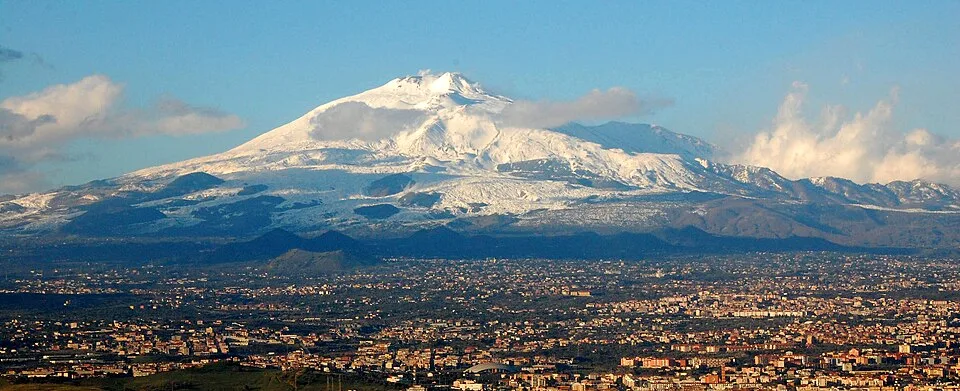
The Arab conquest of Sicily (827–1072 AD) introduced the sharbat tradition to the island — the practice of mixing fruit juices, fruit syrups, and rose water with snow or ice to create a cold refreshment drink. The snow came from Etna and the Nebrodi mountains, where the nivaroli (snow sellers) were a specific professional class — teams of men who collected snow from the mountain peaks in winter, packed it in straw and transported it to the coastal cities, and sold it to the sorbettieri (the sorbet sellers). The combination of the Arab flavour vocabulary (almond syrup, jasmine water, rose water, tamarind, pistachio) with the Etna snow produced the first version of what would eventually become gelato.
🍝 Food tours & cooking classes
🍝
Sicily: food tours & cooking classes
Compare food tours, market visits and pasta-making classes with local chefs in Sicily.
The specific Sicilian advance over the mainland tradition: the almond milk base (latte di mandorla — ground almonds soaked in water and strained, producing a white, sweet liquid) as a dairy-free base for gelato predates the use of cow's milk in frozen desserts and is still used in the finest Sicilian gelaterie. The pistachio di Bronte DOP (the pistachio grown in the Bronte municipality on the western slopes of Etna, harvested every two years — the most intensely flavoured pistachio in the world, with a specific resinous aroma unavailable from Iranian or American pistachios) is the most prized Sicilian gelato flavour and the most directly traceable to the Arab-Norman flavour tradition.
The granita vs gelato distinction: Granita (the Sicilian iced dessert — ice crystals in a semi-frozen fruit purée or coffee base, served with a brioche col tuppo for breakfast, the most specifically Sicilian morning food experience) and gelato are different products using different techniques. Granita is made by partially freezing a mixture and scraping the forming ice crystals periodically (the "scratching" that gives it its name), producing a coarser, icier texture than the churned smoothness of gelato. In Sicily, granita is primarily a morning food (served from 7am at bar-gelaterie across the island, the most common Sicilian breakfast combination is granita di mandorla or granita di caffè with brioche). The best granita in Sicily: Bar Costanzo (Piazza San Francesco 4, Catania — the most acclaimed Sicilian granita bar, the almond granita is the reference standard); Caffè Sicilia (Corso Vittorio Emanuele 125, Noto — the most celebrated granita gelateria in Sicily, especially the jasmine granita).
Best Gelato in Sicily: City by City
Catania: The Pistachio Capital: Catania is 45km from Bronte — the closest major city to the Bronte pistachio production zone, meaning the fresh pistachio arrives at Catanese gelaterie within hours of processing. The pistachio gelato at the best Catanese gelaterie uses 100% Bronte DOP pistachio paste rather than the diluted or substituted versions prevalent elsewhere. Ciccio Adelfio (Via Etnea 2, Catania — the oldest gelato shop in Catania, since 1904, the pistachio gelato is the standard against which all others are measured, €3 per scoop); Savia (Via Etnea 302 — the most technically accomplished Catanese gelateria, with the most elaborate flavour range including the seasonal flavours); Il Cioccolato di Modica (Via Principe Umberto 56, Modica — specifically for the cioccolato di Modica gelato flavour, using the cold-process Modica chocolate). Noto: The Granita Destination: Noto (60km south of Catania, the Val di Noto UNESCO baroque city) has the most internationally celebrated granita and gelato operation in Sicily: Caffè Sicilia (Corso Vittorio Emanuele 125, Noto — owner Corrado Assenza is the most celebrated Sicilian pastry and gelato artisan, cited in international food journalism including the Noma chef René Redzepi's public acknowledgment of Assenza as a reference). The jasmine granita (made from jasmine flowers harvested at dawn before the scent begins to dissipate — a practice that requires a 4am harvest start), the almond granita, and the pistachio gelato are the three unmissable preparations.
What is the best gelato in Sicily?
Sicily's best gelato and granita: pistachio gelato at Ciccio Adelfio (Via Etnea 2, Catania — the most historically continuous Catanese gelateria, Bronte DOP pistachio, €3/scoop); jasmine granita at Caffè Sicilia (Corso Vittorio Emanuele 125, Noto — the most internationally celebrated Sicilian granita operation, Corrado Assenza's jasmine harvest at dawn); almond granita at Bar Costanzo (Piazza San Francesco 4, Catania — the reference standard for Sicilian granita di mandorla); and cioccolato di Modica gelato (Modica, any of the three Modica chocolate certified producers — the cold-process chocolate that has no added fat or emulsifier, producing a uniquely crumbly texture). These four represent the four most specifically Sicilian frozen dessert traditions: almond, jasmine, pistachio, and Modica chocolate.
What is pistachio di Bronte?
Pistachio di Bronte DOP is the most prized pistachio in the world — grown exclusively in the municipality of Bronte on the western slope of Etna (Catania province) in volcanic basalt soil at 700–900m altitude. Harvested every two years (the pistachio tree alternates between a production year and a rest year), the Bronte pistachio has a specific resinous, intensely green flavour unavailable from Iranian, American, or Turkish pistachios. The DOP certification (2009) covers 3,500 hectares of terraced basalt land cultivated by approximately 3,000 Bronte families. Annual production: approximately 2.5 million kg in harvest years. Price: €25–40/kg for shelled Bronte pistachio — 3–5× the price of standard pistachio. The Bronte pistachio festival (Sagra del Pistacchio di Bronte) is held in late September–October of harvest years. Gelato, granita, pesto (the Sicilian pistachio pesto, different from Ligurian basil pesto), and dolci (the Bronte pistachio pastry tradition) are the primary uses.
The Modica Chocolate: Sicily's Cold-Process Tradition
The cioccolato di Modica (Modica chocolate, IGP since 2018) is the most historically specific food product in Sicily and the most direct surviving connection to the pre-industrial Aztec chocolate tradition. The production method: cocoa mass (ground cacao beans) is worked cold with cane sugar at temperatures below 40°C — because no fat (cocoa butter) is added and no emulsification occurs, the sugar crystals remain undissolved in the cocoa mass, producing a chocolate of unique grainy texture that dissolves slowly on the tongue. The flavour additions follow the Aztec original: vanilla, chilli, cinnamon, carob, and orange. No milk, no emulsifier, no lecithin. The resulting chocolate is the least processed version of cocoa available in the European food market. Modica (Ragusa province, 90km from Catania) has approximately 20 chocolate producers using certified cold-process methods — the most important: Antica Dolceria Bonajuto (Corso Umberto 159, Modica — since 1880, the oldest Modica chocolate shop, €5–8 per tablet). Related: Sicily guide, Sicily travel guide.
Find the Best Sicilian Gelato
Catania Ciccio Adelfio pistachio gelato, Noto Caffè Sicilia jasmine granita, Bronte pistachio harvest festival, and the Modica cold-process chocolate trail.
Affiliate link — booking through us supports ItalyPlanner at no extra cost to you.
Italy's Most Extraordinary Train Journeys: The Routes Worth Taking for Their Own Sake
Italian train travel includes several routes that are genuinely extraordinary as experiences rather than merely as transport — where the journey is the destination:
Circumvesuviana Naples–Sorrento (line EAV): The narrow-gauge suburban railway running from Naples Porta Nolana (adjacent to the main Napoli Centrale station) around Vesuvius to Sorrento — passing through Ercolano (for the Herculaneum archaeological site), Pompeii Scavi (for Pompeii), and Torre Annunziata (for the Oplontis villa, the least visited major Roman site in Campania). The trains are old, often crowded, and invariably used by pick-pockets in the Naples sections — watch your belongings. But the route provides the most efficient access to three UNESCO archaeological sites on a single line. Ticket: €3.60 for the full Naples–Sorrento journey (75 minutes), available at the Porta Nolana station or the Circumvesuviana information points. Bernina Express (Tirano, Italy to St. Moritz, Switzerland): The Bernina line between Tirano (Lombardy, accessible by train from Milan in 2.5 hours) and St. Moritz crosses the highest railway pass in the Alps (the Bernina Pass, 2,253m) on a regular-service narrow-gauge train (Rhaetian Railway, UNESCO 2008 — one of the few railway lines with UNESCO designation for its engineering and landscape). Ticket: €35–60 from Tirano to St. Moritz depending on class and booking time, book at sbb.ch. The route includes the famous Brusio circular viaduct (the train makes a full 360-degree spiral loop to gain altitude — visible from the train window). Domodossola–Locarno (Centovalli Railway): The 52km narrow-gauge line crossing the Centovalli (Hundred Valleys) between Domodossola (Piedmont, accessible from Milan by train in 1 hour) and Locarno (Switzerland) through 83 bridges and viaducts, 31 tunnels, and the most uninhabited and dramatic valley landscape of the Italian Alps. Ticket: €30 round trip from Domodossola to Locarno, book at centovalli.ch.
What are Italy's most scenic train journeys?
Italy's most scenic railway journeys: Bernina Express Tirano–St. Moritz (UNESCO, alpine pass at 2,253m, the circular Brusio viaduct, €35–60 each way); Domodossola–Locarno Centovalli Railway (83 bridges, 31 tunnels, the most dramatic uninhabited valley in the Italian Alps, €30 round trip); Circumvesuviana Naples–Sorrento (archaeological sites en route — Herculaneum, Pompeii, Oplontis — with the Vesuvius volcano visible throughout, €3.60 full journey); and the Rome–Palermo overnight train (the ferry crossing between Villa San Giovanni and Messina where the carriages are loaded onto the ship — the most unexpected Italian train journey moment, included in the standard rail ticket). The Rome–Palermo train is the last operational passenger train ferry crossing in the Mediterranean — the carriages are literally rolled onto the ferry, crossed the Strait of Messina, and rolled off on the Sicilian side.
Italian Markets: The Morning Ritual That Reveals the Real City
The Italian morning market (mercato rionale) is the most directly authentic Italian cultural experience available — no tourism organisation, no guidebook staging, no English-language interpretation. Just the city's residents buying their food from the producers and merchants who have been supplying them for generations. The specific markets worth knowing:
Bologna Quadrilatero (Tuesday–Saturday, 7am–1pm): The most beautiful Italian urban food market — the medieval street grid between Piazza Maggiore and Via Rizzoli, with the market stalls of the most celebrated food city in Italy. The specific Bologna market products: the mortadella (the original large-diameter cooked pork sausage, DOP since 1998, available from the specialist vendors at La Baita cheesemonger in the quadrilatero — the most complete Bologna food shop, Via Pescherie Vecchie 3a); the tortellini in brodo available from the market-side rosticceria (hot food counter) at 11am; and the Parmigiano-Reggiano wheel sections sold directly by the producers who bring them to the Quadrilatero on Saturday morning. The best food market in Italy for the combination of product quality and architectural setting. Catania La Pescheria (Monday–Saturday, 7–11am): The most performatively theatrical fish market in Italy — the vendors in the Piazza del Duomo fish market section shout, negotiate, and display simultaneously. The specific product: the swordfish brought from the Strait of Sicily, the sea urchins (ricci di mare) served raw in the shell at the market edge, and the specific local fish vocabulary (the Catanese names for fish differ from the Italian standard — ask "come si chiama in catanese?" for the local name). Mercato di Porta Palazzo, Turin (Tuesday–Friday morning, Saturday all day): The largest open-air market in Europe (by vendor count — approximately 800 daily vendors in the Piazza della Repubblica) and the most culturally diverse market in Italy — the market reflects Turin's specific immigration history (Moroccan, Senegalese, Chinese, and southern Italian communities all have specific sections). The Porta Palazzo market also has the most complete selection of Piedmontese agricultural products outside the Langhe production zone itself: white truffles in season (October–December), Barolo and Barbaresco producers at direct-to-consumer prices, and the specific Piedmontese winter vegetables (cardoons, the specific Castelfranco radicchio, and the mostarda piemontese).
What are the best markets in Italy?
Italy's best markets: Bologna Quadrilatero (Via Pescherie Vecchie and adjacent streets, Tuesday–Saturday 7am–1pm — the finest urban food market in Italy, mortadella, tortellini, Parmigiano at the source); Catania La Pescheria (Piazza del Duomo area, Monday–Saturday 7–11am — the most theatrical fish market, swordfish and sea urchins directly from the fishermen); Turin Porta Palazzo (Piazza della Repubblica, Tuesday–Saturday — the largest open-air market in Europe, Piedmontese agricultural products and truffle season); Rome Campo de' Fiori (Piazza Campo de' Fiori, Monday–Saturday morning — the most centrally accessible Rome market, though increasingly tourist-oriented); and the Rialto Market Venice (Pescheria — fish, Tuesday–Saturday 7am–noon, the most historically continuous Italian market site, in the same location since the 13th century).
Italy's Extraordinary Botanical Gardens: The Living Heritage Nobody Visits
Italy has the oldest and some of the finest botanical gardens in the world — the first university botanical gardens were founded in Pisa and Padua in 1544–1545, creating the model that spread to every European university in the subsequent century. The most important:
Orto Botanico di Padova (1545, UNESCO 1997): The oldest surviving university botanical garden in the world, founded by the Padua medical school for growing medicinal plants. The original circular garden design (the hortus conclusus surrounded by a circular wall with four entry points, representing the four seasons and the four humors) is intact and is one of the finest examples of Renaissance garden design in Italy. The garden contains approximately 6,000 plant species; the most famous individual: the Goethe's Palm (a Phoenix dactylifera date palm planted in 1585 that Goethe visited in 1786 and wrote about in his Italian Journey, connecting its structure to his theory of plant metamorphosis). The 1585 palm and the 1595 Victoria regia pool (the giant water lily, one of the first specimens cultivated in Europe) are the two most visited individual plants. Entry €10, open daily, ortobotanicopd.it. Orto Botanico di Palermo: The most beautiful botanical garden in Italy for its tropical character — the Mediterranean climate of Palermo allows outdoor cultivation of tropical species that require greenhouses elsewhere. The Ficus macrophylla (the Moreton Bay fig, planted in 1845 — the aerial roots extending over 4,000 m², the most extensive single-tree root system in Europe, visible from the garden entrance) is the most extraordinary tree in Italy. Entry €5, open daily. Giardino Botanico Hanbury, Ventimiglia (Liguria): The most diverse in plant species — founded in 1867 by Thomas Hanbury (a British merchant who made his fortune in Shanghai and retired to the Ligurian coast), with 5,800 plant species from the world's Mediterranean-climate zones (California, Australia, South Africa, Chile, and the Mediterranean basin) all growing in the same coastal garden. Entry €9, open daily except Tuesday, jardinhanbury.com.
What are Italy's best botanical gardens?
Italy's most significant botanical gardens: Orto Botanico di Padova (1545, UNESCO — the world's oldest surviving university botanical garden, Goethe's Palm planted 1585, €10); Orto Botanico di Palermo (the most beautiful for tropical character, the Ficus macrophylla with 4,000 m² root system, €5); Giardino Botanico Hanbury near Ventimiglia (5,800 species from all Mediterranean-climate world zones, €9); Villa Taranto botanical garden on Lake Maggiore (the most deliberately comprehensive 20th-century botanical collection in Italy, 20,000 species including the Victoria regia, €12, Verbania Pallanza); and the Orto Botanico di Roma (Largo Cristina di Svezia 24, Rome — 8,000 species in the Trastevere hill, €8, the most accessible Italian botanical garden from a major tourist destination).
Plan the rest of your Sicily trip
The essentials, compared and booked with the official sellers. Same price for you; we may earn a commission.