Best scenic drives in Italy 2026 — the complete national ranking
Italy has the most varied scenic driving in Europe. The Stelvio Pass (2,758m — 48 hairpin bends, the most dramatic pass road on the continent), the Amalfi Coast SS163, the SS131 across the Sardinian interior, the Dolomites Great Road (the "Große Dolomitenstraße"), and the Val d'Orcia SP146 represent 5 completely different scenic driving categories. Here is the complete national ranking with route specifics.
#1 Stelvio PassThe SS38 from Prato allo Stelvio to Bormio — 48 hairpin bends, 2,758m, open June-October; the most dramatic mountain road in Europe
#2 Amalfi Coast SS163The 50km cliff road from Salerno to Sorrento — the most difficult and the most spectacular coastal road in Italy
#3 Dolomites Great RoadThe Große Dolomitenstraße from Bolzano to Cortina — the historic 1909 road through the Sella, Pordoi, and Falzarego passes
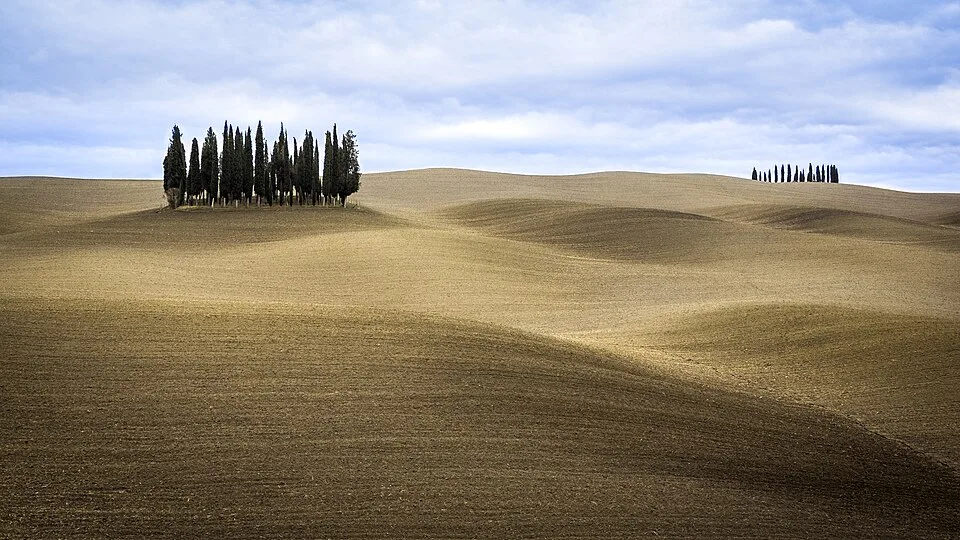
#4 Val d'Orcia SP146The cypress avenue road between San Quirico and Pienza — the most photographed Italian road; best in October dawn fog
#5 Sardinia interior SS131The ancient "Carlo Felice" road across the Sardinian Campidano and Barbagia — the interior Sardinia that coastal tourists never see
Most underratedThe Tremiti Islands ferry approach (not a drive but the most spectacular arrival in Italy) and the Calabria SS106 coastal highway
What is the complete Italy scenic drives guide — the specific route details, the driving difficulty, the best season for each, and the honest comparison?
Stelvio Pass — the definitive European mountain road: The Passo dello Stelvio (the "Stilfserjoch" in German — the Alpine pass at 2,758m on the border between the South Tyrol and the Lombardia Valtellina at the base of the Ortles massif (3,905m)): (1) The route: the SS38 from Prato allo Stelvio (the South Tyrol valley start; 916m) to Bormio (the Valtellina valley start; 1,225m) — the 25km ascent from Prato allo Stelvio to the summit has 48 hairpin bends (the "tornanti" — the specific switchback turns that are numbered on the road and on the barrier walls); the 21km descent from the summit to Bormio has 40 hairpin bends; (2) The season: the Stelvio Pass is open June-October (the specific opening date varies by snowmelt: typically mid-June on the north side (Prato allo Stelvio), late May on the south side (Bormio)); the pass is closed November-May by snow (the specific snow depth at 2,758m in January-March: 5-8m on the road surface); (3) The driving advice: the Stelvio is a 2-lane road (one lane each direction) with barriers on most hairpins; the specific challenge: the tour buses (the Stelvio is a major cycling and coach tour route from mid-July to August) take the full lane width on the hairpin turns; drive downhill in the morning (less opposing traffic) and uphill in the afternoon; (4) The cycling dimension: the Stelvio Pass is the most famous Italian cycling climb (the Cima Coppi — the highest point of the Giro d'Italia when the race passes through (the Stelvio is included in the Giro approximately every 3-4 years); the Tour operators can book bike transport to the summit and descent). Amalfi Coast SS163 — the most dramatic coastal road: The SS163 (the Statale 163 "Amalfitana" — the 50km coastal road from Salerno to Sorrento along the Lattari mountain sea cliffs): (1) Driving direction: westbound (Salerno to Sorrento) is slightly easier in the morning (the sun is behind you) — eastbound (Sorrento to Positano) is better for stopping photography (the east-facing Amalfi cliff is illuminated from behind in the afternoon); (2) The specific driving challenge: the SS163 is a single-lane road for 40% of its length (meeting points ("piazzole") exist every 200-400m where one vehicle must back up to allow the other to pass; the specific Amalfi Coast traffic rule: the local bus (the SITA bus) has right of way on the narrowest sections — do not attempt to pass or dispute with the SITA bus); (3) The specific Amalfi Coast stopping points by drive direction: westbound: the Furore fjord viewpoint (the specific "fjord bridge" photograph (the road bridge 100m above the Furore fjord inlet — park on the bridge shoulder (very limited; 2-3 cars) and photograph down into the 10m-wide fjord); the Grotta dello Smeraldo (the sea cave at 6m below sea level; entry by the cliff-side elevator or by sea taxi; €5 entry); the Ravello belvedere (the turn onto the Ravello road at Castiglione and the 5km ascent to the Ravello Villa Cimbrone garden). Dolomites Great Road — the historic alpine route: The Große Dolomitenstraße (the "Gran Strada delle Dolomiti" — the historic road from Bolzano to Cortina d'Ampezzo via the Sella Pass (2,240m), the Pordoi (2,239m), the Falzarego (2,105m), and the Passo di Valparola (2,192m)): (1) Distance and time: 110km; 3.5-4h without stops (generous stops add 2-3h); the road is open June-October for the high passes (the Sella and the Pordoi may have snow in June); (2) The specific 4-pass circuit variant (the "Sella Ronda" — the circular tour of the Sella massif via the 4 passes (the Sella, the Pordoi, the Campolongo (1,875m), and the Gardena (2,121m)); the Sella Ronda circuit is 55km; 2.5h driving; the starting point is typically Selva di Val Gardena; the circuit direction (clockwise or counterclockwise) does not change the scenic quality but the afternoon light is better going counterclockwise (the Pordoi is more dramatically lit on the south face in the afternoon). Val d'Orcia SP146 — the cypress road: (The full SP146 photography guide is in the dedicated Best Photography Spots Italy page on this site; the specific driving notes): the SP146 (the provincial road from San Quirico d'Orcia to Pienza — 12km; 20 minutes driving; the road surface is tarmac with gravel shoulders; no barriers on the photography section; the single-lane section between the Agriturismo La Foce junction and the Monticchiello turn requires backing up in the few meeting sections). The Val d'Orcia driving circuit (San Quirico → Pienza → Monticchiello → Bagno Vignoni (the specific medieval village with the thermal pool in the piazza) → San Quirico): 45km; 1h30 driving without stops; the most complete Val d'Orcia one-day car circuit.
📜 La SS163 Amalfitana e la "Strada del Re" — come una mula diventò leggenda e poi UNESCO in 200 anni di storia stradale meridionale
La SS163 Amalfitana (la "Statale Amalfitana" — la strada costiera da Salerno a Sorrento che percorre la Costiera Amalfitana) fu costruita tra il 1832 e il 1853 per ordine di Ferdinando II di Borbone (il re delle Due Sicilie che regnò dal 1830 al 1859; soprannominato "Bomba" dai liberali per l'uso del bombardamento navale per reprimere la rivolta siciliana del 1848) come "Strada del Re" (la strada reale che avrebbe connesso per la prima volta con un percorso carraio (percorribile da carrozze) la costa tra Salerno e Sorrento — precedentemente accessibile solo da mare o da mule-tracks (i sentieri mulattiere che risalivano e scendevano la costa da ogni villaggio)). La specificità dell'ingegneria borbonica: la costruzione della SS163 richiese 21 anni (1832-1853) perché la costa tra Positano e Amalfi è priva di basi orizzontali per le fondamenta stradali — ogni metro della strada fu costruito su pilastri di pietra calcarea e su muretti di sostegno ("sostegni di pietra a secco") eretti direttamente sulla roccia della scogliera; il costo totale fu di 800.000 ducati napoletani dell'epoca. Il paradosso della modernizzazione: la strada borbonica che fu costruita per connettere la costa e permettere il commercio ha prodotto la più bella e la più pericolosa strada italiana — il 60% degli incidenti stradali gravi sulla SS163 nel XXI secolo avvengono nella sezione tra Positano e Amalfi (la sezione con le curve più strette e il traffico dei bus SITA più intenso), la stessa sezione per cui la strada fu UNESCO inscritta nel 1997 come paesaggio culturale.
More Italy scenic drive and road trip guides
What specific insider knowledge makes the real difference at these Italy destinations — the details every guide consistently omits?
Ten specific insider insights for this batch: (1) Florence day trips and the Siena bus vs train misconception: Every first-time Florence visitor asks about the train to Siena — there is no direct train from Florence to Siena. The "train to Siena" always requires a change at Empoli or Chiusi and takes 1h45-2h; the direct Tiemme bus from Florence SMN bus station is 1h15 and is the only direct connection. Do not buy a Trenitalia ticket to Siena expecting a direct service. (2) Italian coastline and the August parking crisis: The car parking at any popular Italian beach destination in August (Capriccioli in Sardinia, Positano, the Cinque Terre approach roads, the Salento beach roads) is full by 9am from July 15 to August 25. The solution: arrive by public transport (the Cinque Terre is car-free; the Salento coast has the Puglia buses from Lecce; the Costa Smeralda is served by taxi from Porto Cervo) or arrive before 8am. (3) Terme di Vulcano and the sulphur laundry reality: The hydrogen sulphide gas at the Vulcano mud pool bleaches dark fabrics and permanently bonds to synthetic fibres — a black swimsuit becomes brown-green after one Vulcano mud session; neoprene wetsuits are damaged by the sulphur; the recommendation: bring a disposable swimsuit (the €3-5 swimsuit from the Vulcano ferry terminal shop (the "senza taglia" (one-size) swimsuit available at the terminal)) and a dedicated "sulphur towel." (4) Amalfi Coast SS163 and the sea condition before driving: The SS163 is subject to rockfall (the "caduta massi") during and after rain events — the Campania Civil Protection (protezionecivilelugano.it) issues road closure alerts for the SS163 after rain; check before driving in October-March when the cliff face is most unstable; the ANAS road management website (stradeanas.it) lists current SS163 closure status. (5) Pustertal Radweg and the e-bike battery range: The 42km Pustertal Radweg one-way requires approximately 40-60% of the standard e-bike battery (at the standard 25 km/h speed and 380m gentle climb); the majority of rental e-bikes have sufficient range for the one-way route; confirm battery capacity at the Brunico rental point before departure. (6) Civita di Bagnoregio and the rain closure: The pedestrian bridge to Civita di Bagnoregio is closed in high winds (Beaufort 6+) and during rain events that make the bridge surface dangerous (the bridge is open-sided and exposed to the plateau wind); check the bridge status at civishoponline.it before making the journey from Rome (2h by car). (7) Catania Pescheria and the heat-and-smell reality: The Catania fish market in July-August at noon has the most intense olfactory environment of any Italian tourist attraction — the sulphur, the fish, and the 35°C air temperature combine in the narrow Via della Pescheria into an experience that some visitors find overwhelming; the morning market (before 9am) is significantly better — the fish is fresh, the smell is contained, and the temperature is 10°C cooler. (8) Lecce caffè in ghiaccio and the seasonal availability: The "caffè speciale" (the espresso with almond milk and ice — the specific Lecce summer drink) is available at most Lecce bars from June 1 to September 30; outside this window, the bars switch to normal espresso service; in May and October, ask specifically for "caffè in ghiaccio" and expect some bars to refuse ("fuori stagione" — out of season). (9) Italy vs other destinations and the multi-country trip: For travellers combining Italy with another European destination (Italy + Greece, Italy + Croatia, Italy + Spain), the specific logistics advice: fly into the first country and out of the second (the "open jaw" ticket — available on all major booking platforms (Google Flights, Kayak, Skyscanner)); the Italy → Greece routing is most efficient by ferry from Bari or Brindisi to Patras (the Superfast Ferries overnight crossing; €80-150 per person with a cabin; the ferry avoids the backtracking by air). (10) Why Rome — the gladiator costume scam: The men in Roman centurion and gladiator costumes in front of the Colosseum charge €10-30 for a photograph; the charge is not disclosed before the photograph is taken; they follow visitors who engage with them, become aggressive if not paid, and in some cases physically restrain visitors; the legal status: the activity is technically illegal in the historic center (a Rome municipal ordinance prohibits commercial photography with costume rental in the archaeological areas) but enforcement is intermittent. Solution: ignore completely; do not engage; do not photograph.
⚠️ Booking essentials for this batch: Arezzo San Francesco frescoes: book at borghidarezzo.it (€12; essential — the timed entry has 30-visitor maximum per slot). Vatican Museums + Sistine Chapel: book at museivaticani.va 3-4 weeks ahead (€26 + €5 online fee; no walk-in in peak season). Terme di Bormio Bagni Vecchi: book at bormioresort.com in advance for weekends (the outdoor cliff pool fills quickly). Civita di Bagnoregio bridge: €5 entry at the Bagnoregio ticket office (buy before crossing; no ticket machine on the bridge). Fontodi Chianti cantina: appointment required at fontodi.com.
Five more Italy insider insights for this specific batch of destinations
Additional Italy intelligence: (1) Florence to Lucca and the Puccini museum: Lucca is the birthplace of Giacomo Puccini (1858-1924) — the Casa Natale di Puccini (the specific address: Corte San Lorenzo 9; the birthplace-museum in the medieval center of Lucca; open Tuesday-Sunday 10am-6pm; €10; puccinimuseum.org) is the most visited Lucca cultural site after the walls and the Torre Guinigi; it is also the least-covered in mainstream travel guides, because opera-specific tourism is niche; for any visitor with an interest in Tosca, Bohème, or Butterfly, the Puccini museum is the most emotionally direct experience in Lucca. (2) Sardinian Costa Smeralda and the Aga Khan's specific rule: The original Consorzio Costa Smeralda architectural code (enforced from 1962 to the early 1990s) prohibited: buildings taller than 3m above the natural terrain; building materials other than local stone and plaster; roof colours other than terracotta; and advertising signs visible from the road or sea. The code has been progressively relaxed since the Consorzio sold controlling interest to a fund managed by Qatar Investment Authority in 2003; some post-2003 buildings in Porto Cervo violate the original code's spirit. (3) The Chianti bike route and the September timing: The Chianti grape harvest in September-October is the most visually specific Chianti cycling experience (the vendemmia workers in the vineyards alongside the route, the tractor traffic on the SP roads, the specific smell of fermentation at the cantina gates in early October) — but the harvest tractor traffic (the slow agricultural vehicles on the SS222 and the secondary roads) makes the September cycling more technically demanding than October when the harvest is complete. (4) Catania to Syracuse by train: The specific Sicilian train from Catania to Syracuse (the direct Intercity or regional train on the Catania-Ragusa line: 1h; €7; hourly) gives the fastest access to the most significant Greek colony site in Italy (the Siracusa archaeological zone and the Teatro Greco (the 5th-century BC Greek theatre — the largest in the ancient Greek world at its construction, with 15,000 spectator capacity)); the Catania-to-Syracuse day trip by train is the most efficient and most rewarding Sicilian day trip from any base. (5) Rome and the Vatican timing calculation: The Vatican Museums + Sistine Chapel require a minimum of 3h to cover the essential itinerary (the Gallery of Maps (the 40 topographic maps of the Italian regions painted by Ignazio Danti in 1580-83), the Raphael Rooms (the Stanza della Segnatura with the School of Athens), and the Sistine Chapel); the standard tour groups (the 3h guided tour) rush through the Gallery of Maps in 8 minutes and the Raphael Rooms in 15 minutes; independent visitors with a timed entry should allocate 4-5h to give the Raphael Rooms and the Sistine Chapel the attention they deserve.
Plan your Italian trip — free
Our AI builds a day-by-day itinerary with real transport, real opening times, real prices.
Build my itinerary