Campanian Wine: The Whites That Made Ancient Rome Drunk
The wines of ancient Campania were the most valued in the Roman world. Falernian wine — produced in the hills between Naples and the Lazio border — appeared in Pliny the Elder's writings as the finest wine available to the Roman Empire. It was served at Julius Caesar's triumphal banquets and mentioned in Horace's odes. The grape varieties have changed since antiquity, but Campania's volcanic soils haven't: the same mineral-rich, well-drained terroir that impressed Roman winemakers continues producing wines of exceptional character.
The modern Campanian wine scene rests on three DOCG whites: Fiano di Avellino (rich, nutty, ages for 10+ years), Greco di Tufo (crisp, saline, extraordinary with seafood), and Falanghina del Sannio (the most approachable, floral and citrusy). The reds — Taurasi DOCG (Aglianico grape, sometimes called the "Barolo of the South") and Campi Flegrei DOC (Piedirosso grape, grown on the volcanic soils of the Phlegraean Fields outside Naples) — are equally serious but less internationally known.
What's special about Campi Flegrei wine: The vineyards of the Campi Flegrei (Phlegraean Fields, the volcanic area west of Naples including Pozzuoli and Baia) grow in volcanic ash soil on slopes that are literally still geothermally active. The Piedirosso grape grown here survived phylloxera because the sandy volcanic soil prevents the aphid from establishing — these are pre-phylloxera vines of genuine antiquity. The wine from Cantine Astroni is the best starting point: their Campi Flegrei DOC costs €12–16 at the cantina, €8–10 at Naples wine bars that stock it.
The Best Wine Bars in Naples by Neighbourhood
Chiaia / Mergellina (the more affluent waterfront districts)
L'Antiquario (Via Cappella Vecchia 7, Chiaia) — serious wine list, over 600 labels, strong Campanian selection alongside national and international bottles. Atmosphere is relaxed despite the address. Glass prices: €6–12. The bar snacks (olive ascolane, bruschetta with local produce) are above average.
Enoteca Belledonne (Vico Belledonne a Chiaia 18) — neighbourhood enoteca that's been here since the 1980s. The Campanian list is excellent — they stock producers that most Naples restaurants don't bother with. Glass: €5–9. Ask about the Campi Flegrei selection specifically.
Centro Storico (historic centre, UNESCO-listed)
Enoluogo (Via Cisterna dell'Olio 9, near Piazza Bellini) — in a narrow street behind the ancient Greek city walls. The owner selects natural and organic Campanian wines with the seriousness of a sommelier and the passion of an advocate. Regular tastings with producers, often free with a glass purchase. Hours: 5pm–midnight, closed Sundays.
Spaccanapoli area has numerous bars and caffè but few serious wine bars — the street is more about espresso culture than wine culture. For wine in this zone, Enoluogo is your best option.
Rione Sanità (working-class neighbourhood, increasingly interesting)
The Sanità, north of the historic centre and under the Capodimonte hill, is one of the most authentic neighbourhood experiences in Naples — and increasingly has wine bars that reflect the neighbourhood's young creative energy. Enoteca San Gennaro (Via Sanità 23) is the most established: basic wine list, excellent local produce, prices that reflect the neighbourhood (€3–5 a glass). Not for everyone — Sanità is genuinely off the tourist trail and requires navigational confidence.
Tondo di Capodimonte / Materdei
The residential districts below the Capodimonte museum have a cluster of neighbourhood wine bars that serve the local professional class. Vino e Cucina da Nino (Via Materdei 14) operates as a trattoria at lunch and becomes an informal wine bar from 6pm — Falanghina and local white by the carafe (€8–12), excellent fried food. The sort of place where you sit next to a retired lawyer and end up discussing Taurasi vintages for two hours.
What to Drink: A Guide to Campanian Wine Varieties
Falanghina del Sannio DOC: The most food-friendly white. Citrus, peach, floral. Pair with pizza, mozzarella di bufala, fried fish. Price at a good Naples wine bar: €5–7 a glass. Best producers: Mustilli, Ocone, Fontanavecchia.
Greco di Tufo DOCG: More mineral and saline. Pairs brilliantly with raw seafood (frutti di mare), grilled dentice, clams. The "Tufo" refers to the tuff volcanic rock the vines grow in. Price: €6–9 a glass. Best producers: Feudi di San Gregorio, Benito Ferrara, Terredora.
Fiano di Avellino DOCG: The most complex and age-worthy. Hazelnut, white flower, mineral. Drink young for freshness; the best examples develop extraordinary depth at 5–10 years. Price: €7–11 a glass. Best producers: Ciro Picariello, Guido Marsella, Mastroberardino.
Taurasi DOCG: 100% Aglianico, aged minimum 3 years (7 for Riserva). Powerful, tannic, requires food. The best vintages last 20+ years. Price: €9–15 a glass at serious enoteche. Best producers: Mastroberardino, Feudi di San Gregorio, Salvatore Molettieri.
Questions About Naples Wine Bars
Is there a wine culture in Naples or is it all about coffee?
Both, genuinely. Naples is the global capital of espresso culture — the third-wave coffee movement has little to add to a city that has been perfecting espresso since the 1880s. But the wine culture is quieter, older, and concentrated in specific neighbourhoods and social circles. Working-class Naples drinks wine by the carafe in trattorias; the professional class has a serious enoteca scene in Chiaia and Posillipo; the young creative class has the natural wine bars of Rione Sanità and Materdei. The tourist map doesn't show most of this because it's not designed for visitors.
Can I visit Campanian wine producers from Naples?
Yes, with a car. Fiano di Avellino is 45km east of Naples on the A16 motorway (45 minutes). Taurasi is 65km (1 hour). Greco di Tufo is 55km (55 minutes). Most of these towns are in the Irpinia region — genuinely rural, not tourist-oriented, and all the better for it. The Mastroberardino cantina in Atripalda (near Avellino) has the most developed visitor programme: museum, cellar tour, and tasting from €20pp, Monday–Saturday by appointment. Campi Flegrei producers around Pozzuoli are 20–30 minutes from Naples centre.
What food goes with Campanian wine in Naples?
Falanghina and pizza: a natural pairing that Neapolitans have been making for decades. Greco di Tufo with cozze alla marinara (mussels in tomato broth) or frittura di paranza (mixed small fried fish). Fiano di Avellino with mozzarella di bufala DOP — the acidity of both balances perfectly. Taurasi with ragù napoletano (the slow-cooked meat sauce that runs for 8+ hours) or salsiccia e friarielli (pork sausage with bitter greens). The pairing logic is simple: match the mineral intensity of the wine to the salt and fat content of the food.
Related reading: Naples Travel Guide | Best Pizza in Naples | Michelin Restaurants Naples | Pompeii Day Trip
Naples Wine & Food Experiences
Campanian cantina visits, Sanità neighbourhood wine bars, and wine pairing dinners with Neapolitan cuisine.
Get Expert Advice →
The History Behind Campanian Wine: Why the Greeks Called It Home
The Greek colonists who arrived on the Bay of Naples coast in the 8th century BC recognised immediately that the volcanic soils could produce exceptional wine. They named the area Oenotria — "land of wine." The Romans adopted this productivity enthusiastically: Falernian wine (from the hills at the northern edge of Campania, near the Lazio border) was considered by Pliny the Elder to be the finest wine in the Roman world, worthy of Julius Caesar's triumphal banquets and mentioned in Horace's poetry as the marker of a truly memorable evening.
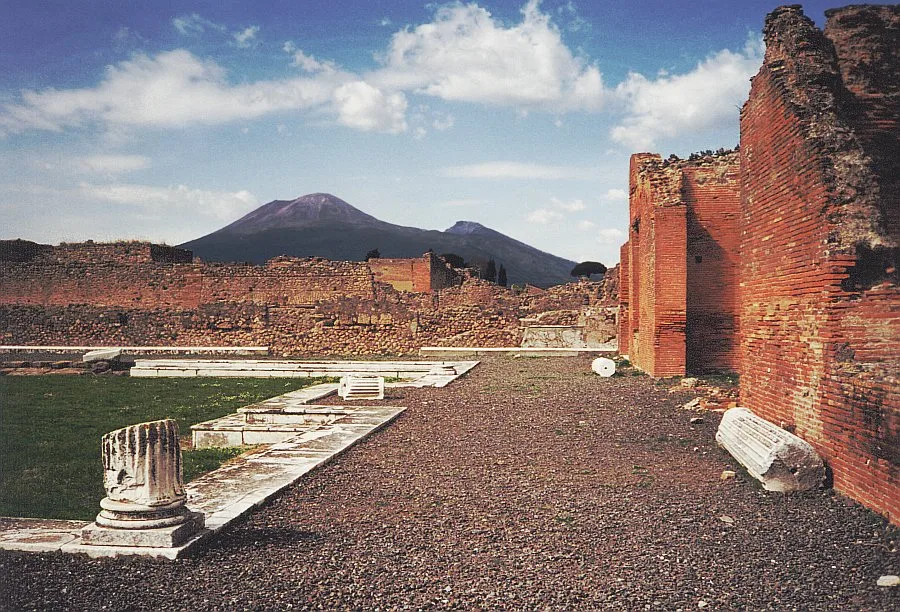
The catastrophic eruption of Vesuvius in 79 AD destroyed Pompeii's wine-producing infrastructure — the amphorae found at Pompeii's wine shops (thermopolia) show evidence of a commercial wine trade sophisticated enough to offer multiple varieties at different price points. The volcanic ash that buried Pompeii actually preserved the vine root systems under the archaeological site; modern archaeologists have used these to identify which grape varieties the Romans grew in the vineyards surrounding the city. Some of these varieties — particularly Piedirosso, still grown today in the Campi Flegrei DOC — are direct descendants of what the Romans drank.
The Campi Flegrei: Drinking Wine From Active Volcanoes
The Phlegraean Fields (Campi Flegrei) west of Naples are one of the world's most geologically active volcanic zones — not a single volcano but a supervolcanic caldera covering 150 square kilometres, with dozens of craters, fumaroles, and thermal vents. The town of Pozzuoli on the bay west of Naples has been rising and sinking for centuries in a process called bradyseism (slow earthquake) — the town centre had to be evacuated twice in the 20th century due to unplanned elevation changes.
In this geologically extreme environment, vines grow in black volcanic ash and pumice soil that the phylloxera aphid cannot penetrate. The Piedirosso grape grown here — one of the oldest cultivars documented in Campanian history — has never needed grafting onto American rootstock to survive phylloxera, which destroyed most of Europe's vineyards in the late 19th century. These are pre-phylloxera vines in the most literal sense: the same genetic material that grew in these fields during the Roman Empire.
Cantine Astroni (Via Sartania 48, Pozzuoli) is the primary producer to visit: their single-vineyard Campi Flegrei DOC wines express the volcanic terroir directly. The cantina is in a volcanic crater nature reserve (Cratere degli Astroni, managed by WWF Italy). Tours by appointment; €15pp including tasting of 4 wines. The drive from Naples takes 30 minutes but the landscape shift — from chaotic city to steaming volcanic hills — is remarkable.
Where can I buy Campanian wines to take home from Naples?
L'Enoteca Partenopea (Via Luigi Settembrini 8) has the widest selection of Campanian wines in Naples — over 400 labels including small producers not found in restaurants. Prices are cantina-adjacent: €12–25 for good Fiano di Avellino, €18–40 for Taurasi. The Mercato di Porta Nolana has occasional wine stalls selling local house wines in demijohns — cheap, unrefined, and genuinely Neapolitan in spirit. For international shipping, most serious Naples enoteche work with DHL or specialist wine shippers; the paperwork for USA shipments requires 2–3 days notice. EU destinations: straightforward same-day purchase and packing.
What is the aperitivo culture like in Naples compared to Milan?
Completely different. Milan's aperitivo culture (6–9pm, often with a buffet of food included with the drink price) is a northern phenomenon driven by Campari marketing and Venetian spritz culture. Naples doesn't do buffet aperitivo — the evening drinking culture is more informal, based around a glass of wine or beer at a neighbourhood bar without free food, and more likely to transition directly to dinner at 9pm than to graze on aperitivo nibbles. The wine bars in Chiaia and the historic centre are the closest equivalent to a Milan aperitivo experience; the neighbourhood bars in Rione Sanità and Materdei are closer to what Neapolitans actually do in the early evening. Both are worth experiencing; neither is the other.
Practical Information for Planning Your Visit
What travel insurance do I need for Italy?
Standard European travel insurance covers medical emergencies, trip cancellation, and lost luggage. EU residents with an EHIC card have basic public healthcare access in Italy. Non-EU visitors need full medical coverage — Italian public hospitals are free at the point of care for EU residents; non-EU visitors may be billed. For a food-focused trip with expensive restaurant reservations, insurance that covers trip cancellation due to illness is worth the extra premium. Check that your policy covers activities like cooking classes, market tours, and wine tastings (all are standard tourist activities and covered by any reputable policy).
How do I pay in Italy — cash or card?
Cards are accepted at restaurants and hotels (Visa and Mastercard universally; Amex at higher-end establishments). Markets, small street food vendors, and neighbourhood bars: cash strongly preferred. Many traditional trattorias in working-class neighbourhoods are cash-only — check before ordering. ATMs (Bancomat) are widely available; use machines attached to bank branches rather than standalone tourist-zone ATMs to avoid additional fees. Dynamic Currency Conversion (when an Italian ATM or card terminal offers to charge you in your home currency) always works out worse than accepting the local currency charge — always decline this option.
What's the best app for navigating Italy's food scene?
TheFork (also called LaFourchette) is the primary restaurant reservation platform in Italy — most mid-range to high-end restaurants use it, and it often offers discounts for booking through the platform. Google Maps reviews for Italy are generally reliable for basic quality assessment. TripAdvisor is useful for English-language reviews but remember that the highest-ranked tourist-facing restaurants often aren't where Italians eat. For wine specifically, Vivino allows you to photograph a label and get instant ratings and producer information — useful when navigating a wine list in another language. For navigating Italian menus, Google Lens in camera mode can translate menu items in real time.
Written by La Redazione di TourLeaderPro.com — professional tour leaders based in Rome, guiding Italy since 2003. We drink Fiano di Avellino every time we're in Naples.