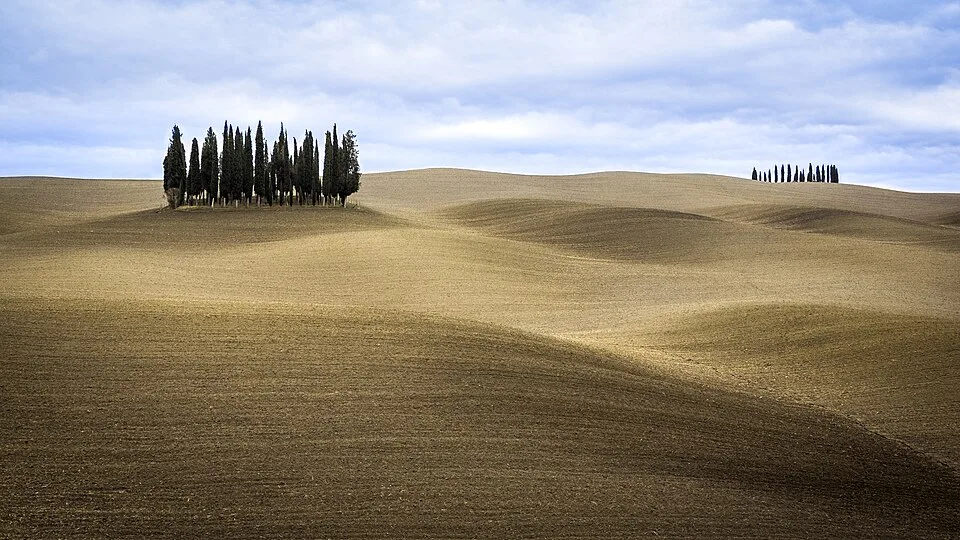
Chianti Classico wine guide 2026 — the complete guide to the black rooster DOCG
The Chianti Classico DOCG (the historic Chianti zone between Florence and Siena — the original 1716 Medici wine zone that predates the modern Chianti Classico by 250 years) produces the Sangiovese-based wine with the black rooster seal on the capsule. The Gran Selezione (the highest tier, introduced in 2014) has elevated Chianti Classico into the conversation with Brunello and Barolo. Here is the complete guide.
🎟️ Tours & tickets
🎟️
Chianti Classico Wine: tours & tickets
Compare guided tours, skip-the-line tickets and day trips for Chianti Classico Wine.
See availability & prices →We may earn a commission, at no extra cost to you.
The DOCG zoneThe 72,000-hectare zone between Greve, Panzano, Radda, Gaiole, and Castelnuovo Berardenga — the black rooster is the seal
The tiersChianti Classico (1 year aging), Riserva (2 years), Gran Selezione (2.5 years minimum, single vineyard) — 3 quality levels
Best 2026 vintages available2020 Chianti Classico (released), 2019 Riserva (the best recent Riserva vintage), 2018 Gran Selezione (the reference year)
Reference producersFontodi (Panzano), Montevertine (Radda), Badia a Coltibuono (Gaiole), Riecine (Gaiole), Castello di Ama (Gaiole)
The SS222 routeThe Chiantigiana from Florence to Siena — the specific wine road that passes through the Classico zone; drive time 1h30
Cantina tastingMost Chianti Classico producers accept walk-ins or appointments — tasting €15-30 for 3-5 wines
What is the complete Chianti Classico wine guide — the terroir, the producers, the specific tasting logistics, and the honest assessment of the wine?
The Chianti Classico DOCG — why the black rooster zone is different: The Chianti Classico (the specific zone delimited by the Cosimo III de' Medici's 1716 decree — the first wine appellation zone in the world (predating the 1855 Bordeaux classification by 139 years and the French AOC system by 220 years); the current DOCG production regulations): (1) The grape: Sangiovese (minimum 80%; up to 20% other red varieties authorised — Canaiolo, Colorino, Merlot, Cabernet Sauvignon); the specific Sangiovese character in the Chianti Classico: the high acidity (pH 3.2-3.5), the medium-to-high tannin, the specific cherry-sour cherry-tobacco-earth profile, and the specific aging capacity (the best Chianti Classico Gran Selezione ages 15-25 years); (2) The soils: the Chianti Classico zone has 3 distinct soil types that produce recognizably different wines: the "alberese" (the compact clay-limestone soil of the Castelnuovo Berardenga south zone — more structured, higher tannin wines); the "galestro" (the friable schist-limestone soils of the Radda-Gaiole high-altitude zone — more aromatic, more acid, the most elegant Chianti Classico wines come from galestro); the sandstone soils of the Panzano "Conca d'Oro" (the specific Panzano valley — the amphitheatre-shaped valley of Panzano in Chianti (altitude 400m) that concentrates heat and produces the most full-bodied Chianti Classico). The 3 quality tiers — the honest assessment: (1) Chianti Classico (the entry tier — 1 year minimum aging, 12.5% minimum alcohol; the specific affordable Chianti Classico (€12-22 at the cantina) that is the correct wine for pasta, grilled meats, and bistecca; the 2020 vintage Chianti Classico is the current standard release — a warm year producing wines of good structure and roundness; drink 2023-2028); (2) Chianti Classico Riserva (2 years minimum aging, 12.5% minimum alcohol; the 2019 Riserva is the best recent Riserva vintage by the consensus of Italian wine critics — the specific combination of the cool 2019 vintage (a year that preserved the natural acidity) and the Chianti Classico Sangiovese produces wines of specific tension and longevity; drink 2025-2035; price range €25-60 at the cantina); (3) Chianti Classico Gran Selezione (the 2014 introduction — the top tier requiring minimum 2.5 years aging, single vineyard designation, and "rigorous selection of grapes"; the Gran Selezione that changed the Chianti Classico international reputation: the Fontodi "Vigna del Sorbo" Gran Selezione 2015 and the Castello di Ama "Vigneto La Casuccia" Gran Selezione 2015 were the specific two wines that received the most international press in the first Gran Selezione generation). The reference Chianti Classico producers — honest assessments for the cantina visit: (1) Fontodi (Panzano in Chianti — the Manetti family estate on the Panzano "Conca d'Oro"; the most internationally respected Chianti Classico producer; the Flaccianello della Pieve (the Super Tuscan Sangiovese outside the Chianti Classico DOCG — the Fontodi IGT that has consistently scored 98-100 Parker points since 2010); visits by appointment at fontodi.com; the tasting of the Chianti Classico, the Riserva, and the Flaccianello: €30-40); (2) Montevertine (Radda in Chianti — the estate that makes Chianti Classico as a spiritual rather than commercial exercise; the Le Pergole Torte (the 100% Sangiovese wine from the Radda galestro soils — the wine that in 1980 was rejected by the Chianti Classico Consortium as non-conforming and released as a VdT (table wine); now a benchmarks of Italian Sangiovese and worth €80-150); visits at montevertine.it); (3) Badia a Coltibuono (Gaiole in Chianti — the 11th-century Vallombrosan monastery with the specific historic cantina under the medieval church; the estate has been producing wine continuously since 1051; the tour of the cantina (the specific medieval cellar with the ancient barrels) and the wine tasting: €25; badiaacoltibuono.com). The SS222 Chiantigiana wine road — the practical guide: The Chiantigiana (the SS222 from Florence's Porta Romana to Siena — 70km; the specific Chianti Classico road route that passes through Greve, Panzano, Radda, and Castellina): the specific wine tasting circuit by car: Greve in Chianti (the Enoteca del Chianti Classico in the Piazza Matteotti — the wine bar-shop with 500+ Chianti Classico labels from all producers; walk-in, no appointment; Via Cesare Battisti 9; open daily; glasses from €3-8) → Panzano in Chianti (the "Antica Macelleria Cecchini" — the butcher Dario Cecchini, the most famous butcher in Italy (subject of a Netflix Chef's Table episode); the butcher shop at Via XX Luglio 11 is open for meat purchases and the specific Cecchini lunch (the "Officina della Bistecca" — the Florentine steak lunch at noon; €50/person; book at dariocecchini.com)) → Radda in Chianti → Gaiole (the Badia a Coltibuono estate, 7km east of Gaiole on the SR429).
📜 Il "Governo all'uso toscano" e la trasformazione del Chianti dal vino da osteria al DOCG internazionale — 250 anni di evoluzione enologica
Il Chianti del XIX secolo (il Chianti dell'800 — il vino prodotto nella zona dell'attuale Classico dai mezzadri toscani e venduto nei caratteristici "fiaschi" (le bottiglie panciute in vetro verde avvolte nella paglia)) era prodotto con il metodo del "governo all'uso toscano" (il processo di rifermentazione tardiva: le uve passite ("acini governo") di Colorino e Canaiolo venivano aggiunte al vino fermentato in autunno per indurre una seconda fermentazione in primavera, che produceva il vino vivace, leggermente frizzante, a bassa gradazione alcolica (10-11%) e alta acidità che i Fiorentini bevevano nelle osterie). La specificità della "formula Ricasoli" (la ricetta del Chianti codificata dal barone Bettino Ricasoli (il secondo Presidente del Consiglio del Regno d'Italia dopo Cavour) nel 1870 — Ricasoli scrisse dalla sua tenuta di Brolio: "il vino riceve dallo Sangioveto la maggior quota del profumo che lo distingue e una certa vigoria di sensazioni; dal Canaiolo dolcifica lo Sangioveto senza togliergli il profumo; la Malvasia... tende ad allargare il vino per il consumo ordinario"): la ricetta Ricasoli (70% Sangiovese, 15% Canaiolo, 15% Malvasia) non corrispondeva a nessun Chianti contemporaneamente prodotto (era una sperimentazione di laboratorio del barone su cui stava lavorando dal 1847) ma divenne il modello del DOC Chianti nel 1963. La rivoluzione della Gran Selezione (2014): l'introduzione della terza categoria del Chianti Classico DOCG nel 2014 ha permesso ai produttori di posizionare i loro vini migliori al livello di prezzo (€40-120 al cantina) competitivo con il Brunello e il Barolo per la prima volta nella storia del Chianti — la specificità del cambiamento è che ha dato ai produttori di Chianti Classico gli strumenti per comunicare la qualità di vini che esistevano già (la Fontodi produceva il Vigna del Sorbo da prima del 2014) ma che erano categoricamente classificati come "Riserva" insieme ai vini meno impegnativi.
More Tuscany wine and food guides
What specific Italy insider knowledge makes the real difference at these destinations — the details every guide consistently omits?
Ten insider insights for this batch: (1) Blue Grotto Capri and the swell closure: The Grotta Azzurra closes when the sea swell exceeds 0.3-0.5m — check the ISPRA sea state forecast (ispra.it/it/ispra/cms_mappe.html) before planning the Capri Blue Grotto as the primary purpose of a trip. The grotto closes 30-40 days per year due to sea state; the closure cannot be predicted more than 24h ahead. (2) Venice Carnival 2026 accommodation booking: The 5 nights of the Venice Carnival peak (February 13-17) — the Shrove Sunday (February 15) has the "Volo dell'Angelo" and is the single busiest day of the Carnival. Hotels for February 13-17 should be booked by September 2025 for the best choice; anything booked later will find only very expensive or very peripheral options. (3) Bologna and the Archiginnasio anatomy theatre visit: The Teatro Anatomico at the Archiginnasio is open within the library visiting hours but is often closed for academic events and lectures — call ahead (051 276811) or check the online calendar at bibliotecacomunalebologna.it before making it the primary morning activity. (4) Saturnia and the sulphur skin reaction: A small percentage of visitors with sensitive skin experience a mild rash from the Saturnia sulphurous water (the hydrogen sulphide at 2.5mg/L can irritate sensitive skin types) — rinse with fresh water immediately after leaving the pools and do not soak for more than 2h continuously on the first visit. (5) Cortina ski and the 2026 Olympics construction impact: The Cortina area has specific road and piste closures in 2025-2026 related to the Milano-Cortina 2026 Olympics infrastructure works — check the specific road situation at infomobilità.cortina.dolomiti.org before planning drives in the Cortina area, and verify open piste status at the Dolomiti Superski website before each day of skiing. (6) Chianti Classico and the "un-certified" producers: Not all excellent Chianti wines carry the black rooster seal — several notable producers (most famously Fontodi with the Flaccianello and Montevertine with Le Pergole Torte) deliberately produce their top wines outside the Chianti Classico DOCG to have maximum winemaking freedom; these wines are sold as IGT (Indicazione Geografica Tipica) Toscana at prices comparable to the Gran Selezione tier. (7) Rome to Puglia flight vs train — the luggage factor: If traveling with checked luggage (skis, surfboard, large bags), the Frecciarossa from Rome Termini to Bari is always better than flying — Ryanair's luggage charges (€25-40/checked bag each way) convert the €19 base fare into a €70+ total; the Frecciarossa accepts any size luggage at no additional charge. (8) Dolomites summer and the thunderstorm afternoon rule: The Dolomites in July-August have the specific afternoon thunderstorm pattern (the convective storms that form over the warm mountain mass after noon and typically produce lightning and heavy rain between 2-5pm); the specific walking protocol: be below the treeline (below 2,200m) by 2pm on any day with cumulus cloud build-up visible in the morning. (9) Italy Digital Nomad Visa and the tax registration: Obtaining the Digital Nomad Visa is only the first step — the holder must register as a tax resident ("iscrizione all'AIRE" for prior Italian residents; "codice fiscale" and "residenza anagrafica" registration for non-Italian holders) within 90 days of arrival; failure to register as a tax resident does not automatically void the visa but creates a legal inconsistency that complicates future applications for long-term residence. (10) Italian church dress code and the specific Vatican enforcement: The Vatican dress code enforcement is not uniform throughout the year — in summer peak (July-August), the Vatican gendarmeria are positioned at specific check-points on the Piazza San Pietro colonnade and turn back bare-shouldered or short-wearing visitors before they reach the Basilica entrance; in November-March, the enforcement is lighter (the gendarmeria are present but less visible). However, the rule applies year-round and a carried scarf is always the correct solution.
⚠️ Booking essentials for this batch: Venice accommodation for Carnival 2026 (Feb 13-17): book by September 2025. Cortina 2026 Winter Olympics tickets: book at milanocortina2026.olympic.org when available (expected opening in late 2025). Chianti Classico cantinas (Fontodi, Montevertine): appointment required 1-2 weeks ahead by email. Saturnia free pools on summer weekends: arrive before 8am for parking. Bologna Teatro Anatomico: verify opening at bibliotecacomunalebologna.it.
Five more Italy travel facts for these specific destinations
Additional Italy intelligence: (1) The Capri boat tour and the wind direction: The Blue Grotto is on the northwest face of Capri — it closes in northwesterly and westerly wind (the Libeccio and the Maestrale) that produces the swell on that face. In southwesterly or southerly wind conditions (the Scirocco and the Ostro), the Blue Grotto is typically calm and accessible. The Capri weather forecast at meteo.capri.com gives the specific wind direction hourly. (2) Bologna train station and the luggage left at platform 1: The Bologna Centrale high-speed station has a luggage storage service (the "deposito bagagli" at platform 1 — open daily 6am-10pm; €6/bag for 5h; €1 per additional hour); the storage is the practical solution for the Bologna day trip from Florence (37 minutes) or Milan (1h) — store bags at the station and walk the city load-free. (3) Saturnia winter visit and road access: The SP4 road to the Saturnia Cascate del Mulino is well-maintained year-round and accessible in a standard car; in the rare snowfall events in the Grosseto Maremma (1-2 per winter at the Saturnia altitude of 430m), the road may be temporarily impassable for 4-8 hours; check the Provincia di Grosseto road conditions at provincia.grosseto.it before a winter visit. (4) The Rome to Puglia drive and the A16 motorway (Autostrada dei Due Mari): The A16 motorway from Naples to Bari (the "Autostrada dei Due Mari" — the motorway that crosses the Apennines at the Passo di Nola (450m) and descends to the Foggia plain and then the Murge): the specific A16 winter driving note — the mountain section (the Nola-Candela stretch) is subject to fog and ice in December-February; check the Autostrade.it traffic website for the real-time A16 conditions. (5) The Dolomites and the German-Italian bilingual reality: The Dolomites are in South Tyrol (Alto Adige) and the Trentino — the South Tyrol province has German as an official language alongside Italian; all public signs, menus, and service interactions are bilingual (German-Italian); many South Tyroleans speak better German than Italian and the Tyrolean culture (the food (Speck, Knödel, Strudel), the architecture (the wooden farmhouses), and the naming (the "Gasthof" hotel sign alongside the "albergo")) distinguishes the South Tyrol Dolomites from the Belluno Dolomites (the Cortina area, which is fully Italian).
Plan your Italian trip — free
Our AI builds a day-by-day itinerary with real transport, real opening times, real prices.
Build my itinerary