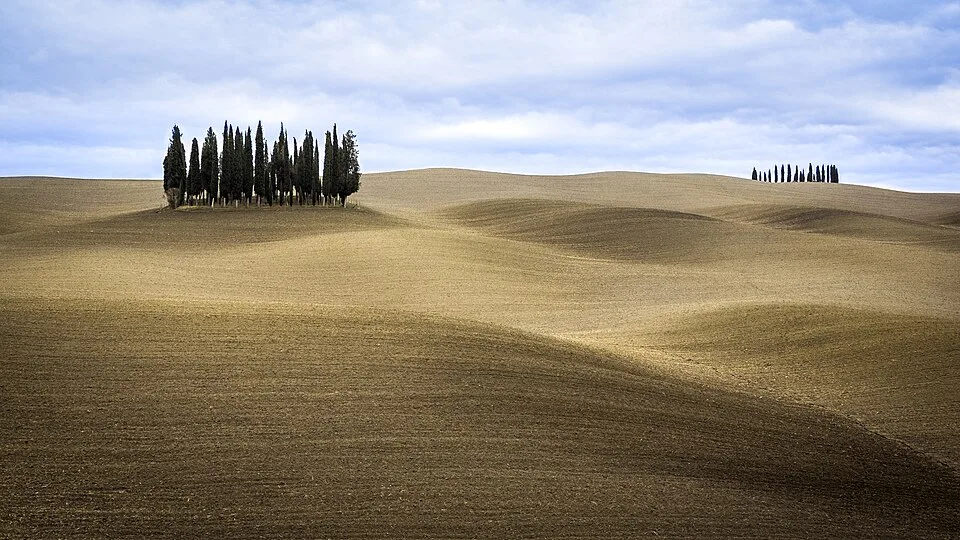
The farm to table experience in Italy (the agriturismo dining — the specific Italian hospitality format (the agriturismo (literally "agricultural tourism") defined by the Italian Law 96/2006 as the hospitality activity practiced by a qualified farm that earns the majority of its revenue from agricultural production rather than tourism)): the Italian agriturismo system is the oldest and most developed farm-tourism infrastructure in Europe, with approximately 23,000 licensed agriturismo operations across the Italian regions providing accommodation, dining, and farm-experience activities to approximately 14 million visitor-days annually. The specific Italian agriturismo advantage over the international "farm to table" restaurant concept: the authentic Italian agriturismo serves exclusively or predominantly the products of its own farm — the wine from the estate vineyard (not a purchased wine with a farm-branded label), the salumi from the estate pig operation (not an industrial salumificio), the vegetables from the kitchen garden (not the wholesale market), and the olive oil from the estate olive grove (not a bulk-purchased oil). The consequence is the most directly traceable food chain in any commercial hospitality context in Europe.
The specific Italian agriturismo quality range (the important caveat): the Italian agriturismo license is not a quality guarantee — the 23,000 licensed operations include both the extraordinary estate-wine and hand-made-pasta lunch at a 300-year-old Tuscan farmhouse and the tourist trap where the industrially produced prosciutto arrives on a plastic chopping board next to a bottle of unnamed house wine. Identifying the authentic from the theatrical requires the specific research tools described below.
Farm to Table Italy: Best Regions, Booking, and Authenticity
Best Regions by Food Product
Tuscany (the Chianti Classico zone between Florence and Siena — the agriturismo with the estate Chianti Classico DOCG, the extra virgin olive oil from the estate groves (the Chianti Classico zone is the single most concentrated quality olive oil production zone in Italy), and the specific hand-rolled pasta (the pappardelle al cinghiale (wild boar ragù), the tagliatelle al sugo di lepre (hare sauce)) that the Tuscan farmhouse kitchen produces): the most internationally recognized Italian agriturismo context, the most photographed, and the most developed in terms of accommodation quality and culinary consistency. Umbria (the Valnerina and the Norcia-Spoleto zone — the agriturismo with the tartufo nero (black truffle) in the autumn and winter kitchen, the Sagrantino di Montefalco estate wine, and the specific Umbrian pork tradition (the salumi of Norcia, the lentils of Castelluccio, and the Umbrian farro (spelt))): the most food-dense single Italian agriturismo zone for the visitor interested in the specific ingredient quality rather than the Tuscan landscape aesthetics. Puglia (the Salento and the Murge zone — the agriturismo with the Primitivo and Negramaro estate wine, the orecchiette handmade at the farm table, the burrata from the estate dairy (the Puglia masserie (the specific large Puglia farmhouses) that have converted from feudal agricultural estates to premium agriturismo operations)): the most architecturally dramatic Italian agriturismo format — the masseria (the whitewashed limestone complex with the central courtyard, the olive trees, and the specific Puglia architectural vocabulary) is the most photogenic single Italian agriturismo typology.
How to Find the Authentic Agriturismo
The specific Italian agriturismo quality identification tools: the Agriturismo.it portal (the national agriturismo booking portal that includes both the Agriturist association members (the quality-vetted operators) and the independent operations); the Coldiretti Campagna Amica certification (the specific certification by the Italian farmer's union that guarantees the "km0" (zero-kilometer) food sourcing standard — all ingredients from within 70km of the farm); the Slow Food Presidia agriturismo recognition (the Slow Food recognition that identifies the agriturismo preserving specific endangered Italian food traditions — the most reliable single quality indicator for the visitor interested in the food-heritage dimension); and the specific verification question ("Il vino che servite è della vostra produzione?" (Is the wine you serve from your own production?) — the authentic agriturismo answers "sì" and can take you to the cantina; the theatrical agriturismo answers "è un vino locale" (it's a local wine) without the production specificity).
Q&A: Farm to Table Italy
What is a harvest dinner at an Italian agriturismo?
The vendemmia dinner (the harvest dinner — the specific agriturismo event organized during the grape harvest (September-October) and the olive harvest (November-early December) that invites guests to participate in the day's harvest activity and then dine on the farm's production in a communal format): the vendemmia dinner at a Chianti Classico agriturismo is the single most complete Italian farm-to-table experience available in a single evening — the morning harvest in the vineyard (the pigiatura (the grape crushing) and the filling of the fermentation tanks), the afternoon rest, and the evening dinner (the estate wines, the antipasto from the farm kitchen garden, the handmade pasta, and the bistecca alla fiorentina if the agriturismo is a beef-raising operation). The harvest dinner typically costs €45-70 per person including the estate wines and represents the most price-accessible premium Italian rural experience.
How far in advance should I book an agriturismo in Tuscany?
For the May-October peak season (the primary Tuscan agriturismo season): book minimum 2-3 months in advance for weekends, 4-6 weeks for midweek stays. For the October vendemmia period (the harvest season, the most booked single Italian agriturismo event period): book 4-6 months in advance — the best Chianti Classico agriturismo vendemmia experiences fill completely by June for the October dates.